






How to Choose the Right Automatic Toilet Roll Packaging Machine for Your Tissue Mill
Running a tissue converting plant, your end-of-line packaging stage directly decides your production capacity, labor expenditure and product presentation. Many tissue mill owners only focus on machine speed when sourcing an automatic toilet roll packaging machine, yet overlook format compatibility, stability and total cost of ownership. This mistake will lead to frequent downtime, high film waste and extra maintenance costs after installation.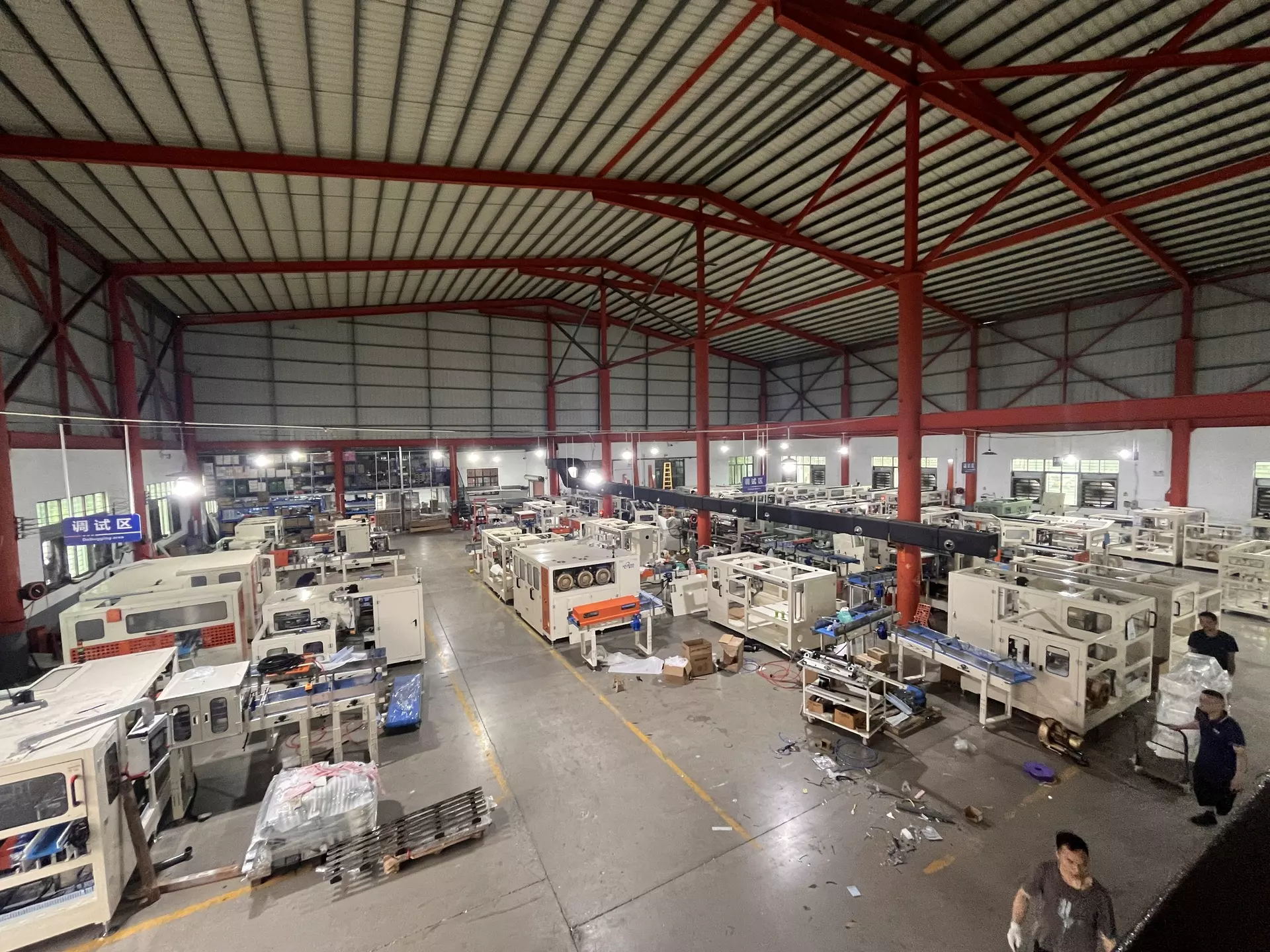
1. Confirm your production & packaging requirements first
Before comparing different tissue packaging equipment, sort out your core specifications:
- Product type: toilet rolls, kitchen towel rolls, single pack or multi packs
- Output target: packs per minute, daily production volume
- Packing format: adjustable number of rolls per package, different roll diameters/lengths
- Film material: PE packing film, printed logo film
Our ALX series automatic toilet roll packaging machine supports flexible format switching. It can handle different roll sizes and adjust pack quantity quickly, which fits small-batch and multi-product tissue factories.
2. Automatic vs Semi-Automatic Toilet Roll Packaging Machine
Semi-automatic
Low upfront investment, but still needs manual feeding. Labor cost remains high, and production efficiency is limited. Suitable only for small workshops with low daily output.
Fully automatic
Auto feeding, counting, film wrapping, sealing and output, one complete workflow. Less manual intervention, lower long-term labor expense. Ideal for medium & large tissue mills expanding production lines.
The ALX automatic toilet roll packaging machine adopts continuous conveyor feeding, matching perfectly with upstream rewinder lines for seamless production connection.
3. Core components you must inspect
Quality of key parts determines machine uptime:
- Servo drive system: ensures stable counting and precise positioning, reduces reject rate
- Sealing structure: prevents film tearing and bad sealing, saves packaging film cost
- Human-machine touch screen: easy parameter adjustment, simple operator training
- Safety protection cover & emergency stop: meets international industrial safety standards
4. Evaluate total cost of ownership (TCO), not just price
Many buyers choose cheap equipment only to face expensive spare parts and constant breakdowns. You need to calculate:
- Initial machine cost
- Consumption of packaging film
- Maintenance & spare parts cost annually
- Labor saving after automation
- Machine service life
A reliable automatic tissue packaging machine brings stable output and fewer unexpected stops, which creates more value for your tissue converting business in the long run.
5. After-sales & technical support for overseas buyers
For international tissue plant operators, timely technical support matters a lot. Confirm whether the supplier provides:
- Overseas installation guidance
- Remote online debugging
- Quick supply of spare parts
- Operator training

FAQ
Q1: Can the automatic toilet roll packaging machine pack both toilet rolls and kitchen towels?
A: Yes. Our ALX series tissue packaging machine supports both toilet roll and kitchen towel packaging, only simple parameter adjustment is required to switch products.
Q2: What is the speed range of ALX toilet roll packaging machine?
A: Speed depends on roll specifications and pack arrangement. It can reach up to 25 packs per minute for standard toilet roll packages.
Q3: Is it hard to change packing formats?
A: Equipped with servo control system, format change only takes several minutes on the touch screen, no complicated mechanical adjustment.
CTA
Looking for a stable automatic toilet roll packaging machine for your tissue converting line? Contact our team to get machine specifications, layout drawing and customized quotation for your plant project.
#Tags #ToiletRollPackagingMachine #TissueConverting #EndOfLinePackaging #AutomaticTissuePackaging
Previous: Automatic Toilet Roll Packaging Machine: Complete Buying Guide for Tissue Converters
Next: No More
